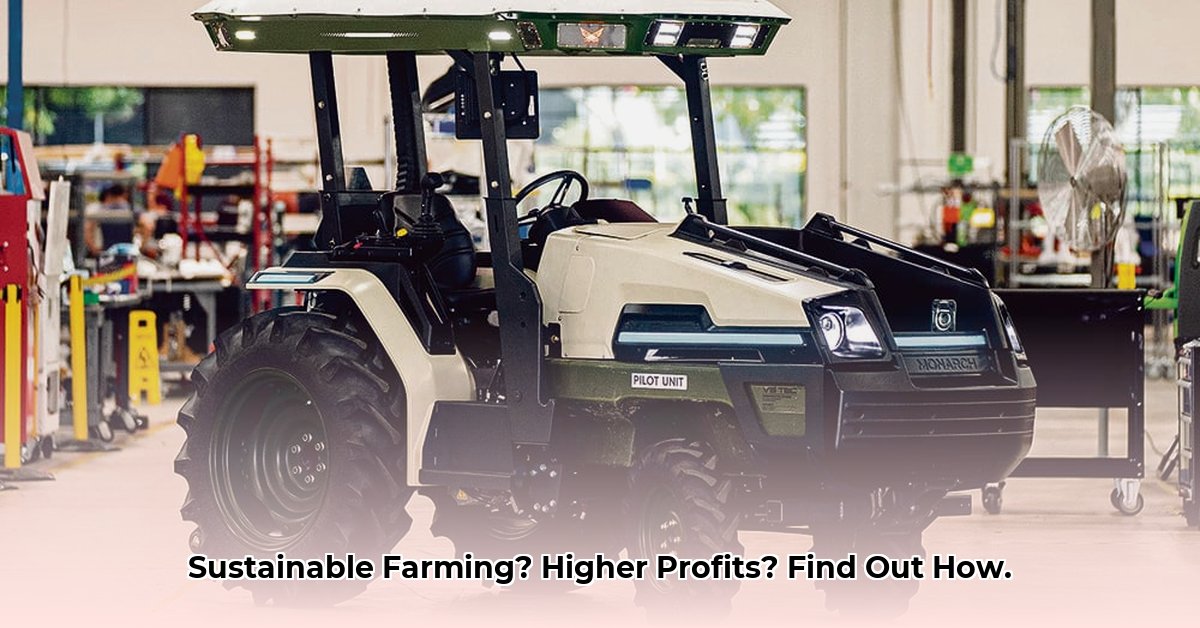
Choosing Your Ohio Tractor: The Right Tool for Sustainable Success
Your tractor is your farm's engine, and selecting the right one is crucial for both efficiency and environmental responsibility. Don't just buy any tractor – invest in one that aligns with your sustainable farming goals and boosts your bottom line. Here's what to consider:
Fuel Efficiency: Fuel costs are a substantial expense. Modern tractors offer significant fuel savings compared to older models, thanks to advanced engine technology. Look for features like improved fuel injection systems and efficient power management. Every gallon saved directly increases your profit margin. Many manufacturers provide detailed fuel consumption data for their models.
Versatility: Multi-purpose tractors reduce the need for specialized equipment, saving you money on purchase price, maintenance, and storage. A versatile tractor can handle a variety of tasks, from plowing and planting to tilling and harvesting, streamlining your workflow. This efficiency translates directly into higher profits.
Precision Technology: Precision technology, such as GPS-guided implements, enables precise application of seeds, fertilizers, and pesticides, minimizing waste and maximizing yields. This precision farming reduces input costs while optimizing resource utilization. Consider tractors with integrated GPS systems or the ability to easily integrate with precision farming technologies. "Precision agriculture is not just about technology," says Dr. Sarah Evans, Professor of Agricultural Engineering at Ohio State University. "It's about a holistic approach to optimizing resource use and maximizing efficiency."
Durability and Reliability: A durable tractor minimizes downtime and repair costs. Choose a machine with a proven track record of reliability and a strong warranty. Investing in quality upfront can save significant money in the long run by avoiding costly repairs and replacements. "The upfront investment in a more robust, dependable tractor pays off over the years," notes Mark Johnson, owner of Johnson Family Farms in central Ohio.
For more information on Ohio tractors, check out this helpful resource: Ohio Tractor Info.
Sustainable Farming Practices: Boosting Profits and Protecting the Environment
Sustainable farming isn't just a trend; it's a pathway to long-term profitability and environmental stewardship. These practices work together, creating a synergistic effect that benefits both your farm's bottom line and the planet.
No-Till Farming: No-till farming minimizes soil disturbance, improving soil health, reducing erosion, and increasing water retention. This method reduces fuel consumption during field operations. "No-till farming has significantly improved the soil health on our farm," remarks Anna Miller, a third-generation farmer in Northwest Ohio. "We've seen less erosion, and our yields have increased."
Cover Cropping: Planting cover crops during fallow periods adds nutrients to the soil, suppresses weeds, and improves soil structure. This natural approach reduces the need for synthetic fertilizers, saving money and benefiting the environment. Cover crops also help improve water infiltration and reduce runoff.
Integrated Pest Management (IPM): IPM emphasizes preventative measures and biological controls, reducing reliance on synthetic pesticides. This approach protects beneficial insects and minimizes environmental impact while controlling pests effectively. "IPM takes more planning and observation," explains David Smith, an entomologist at the Ohio State University Extension. "But the long-term savings in pesticide costs and environmental benefits make it worthwhile."
Precision Fertilizer Application: GPS-guided fertilizer application ensures precise nutrient placement, minimizing waste and reducing environmental impact. Precise application optimizes fertilizer use, maximizing crop yields while protecting water quality. Overuse of fertilizers is costly and contributes to water pollution.
Water Conservation: Efficient irrigation techniques, such as drip irrigation, reduce water consumption, conserve this valuable resource, and minimize nutrient runoff. Careful water management protects water quality and improves the efficiency of irrigation.
Addressing Common Challenges in Sustainable Agriculture
Transitioning to sustainable farming presents challenges, but with proper planning, it is achievable.
Challenge: Higher Initial Investment. Solution: Explore government grants (such as USDA programs) and low-interest loans specifically designed to support sustainable agriculture practices.
Challenge: Learning Curve. Solution: Utilize online resources, attend workshops, and connect with other sustainable farmers through organizations like the Ohio Ecological Food and Farm Association (OEFFA).
Challenge: Market Access. Solution: Develop direct-to-consumer marketing strategies, such as farmers' markets, Community Supported Agriculture (CSA) programs, and online sales to access niche markets with higher price points.
Challenge: Initial Yield Fluctuations. Solution: Diversify crops, explore agritourism, and develop multiple revenue streams to mitigate risks during the transition period.
Building Your Sustainable Farming Network
Collaboration is key. Participate in workshops, connect with experienced farmers, and join organizations like OEFFA for support and shared learning. Building a strong network of fellow sustainable farmers provides invaluable resources and a support system. Participation in local farmers' markets can build direct consumer relationships, strengthening market access.
Key Takeaways:
- Sustainable farming methods, when coupled with efficient equipment such as a well-chosen Ohio tractor, significantly enhance profitability.
- Ohio offers a wealth of resources to support farmers transitioning to sustainable practices.
- Effective planning, including financial strategies and community engagement, is crucial for success.
This guide provides a foundational framework for incorporating sustainable practices into your Ohio farm. Remember to adapt these strategies to your specific farm's needs and resources. The journey towards sustainable and profitable farming is ongoing, requiring continuous learning, adaptation, and collaboration.